
We all enjoy the occasional biscuit, slice of cake or packet of crisps, and there's absolutely no need to feel guilty about it!
But when ultra-processed foods become a large part of our everyday diet, they can start to take the place of the nutritious foods our bodies need to stay healthy.
So, what exactly are ultra-processed foods, and should we really be worried about them?
What are ultra-processed foods?
Ultra-processed foods, often referred to as UPFs, are foods that have been made using industrial processing methods and often contain ingredients you wouldn't normally find in your kitchen cupboard.
These might include flavourings, colourings, sweeteners, emulsifiers, stabilisers and thickeners.
Many ultra-processed foods are also designed to be particularly appealing to our taste buds, combining sweetness, saltiness, fat and texture in ways that make them tempting and, sometimes, surprisingly easy to overeat.
Think biscuits, cakes, crisps, sweets, sugary drinks and certain ready meals.
But there's something important to remember: not all ultra-processed foods are nutritionally equal.
Some foods classified as ultra-processed, such as certain wholemeal breads, fortified breakfast cereals and yoghurts, can still make a useful contribution to a balanced diet.
So, what's the problem with ultra-processed foods?
The concern isn't simply that a food has been processed. It's more about the types of foods we're eating regularly and what they might be replacing in our diets.
Many commonly consumed UPFs are high in calories, saturated fat, salt or added sugar, while being relatively low in fibre, vitamins and minerals.
Research has found associations between diets high in ultra-processed foods and an increased risk of health problems, including:
- Weight gain and obesity
- Type 2 diabetes
- Heart and cardiovascular disease
- Poorer overall diet quality
There's also growing interest in how ultra-processed foods might affect our gut microbiome and inflammation.
However, it's important to understand that much of the research shows associations rather than proving that processing itself is responsible for these health problems. Researchers are still investigating which ingredients, processing methods and dietary patterns may be contributing.
It's about balance, not perfection!
I don't believe we need to become obsessed with checking every food label or avoiding anything that happens to be classified as ultra-processed.
Food should be enjoyable, and there's room for convenience foods and the occasional treat in a healthy, balanced diet.
Instead of focusing on everything you think you shouldn't eat, I encourage you to think about what you could add to your diet.
Could you include more vegetables with your evening meal? Swap an occasional snack for some fruit and nuts? Choose a higher-fibre breakfast or prepare a few simple meals at home during the week?
Even small changes can make a difference over time.
Small changes for better nutrition
If you're looking to reduce your reliance on ultra-processed foods, here are a few simple places to start:
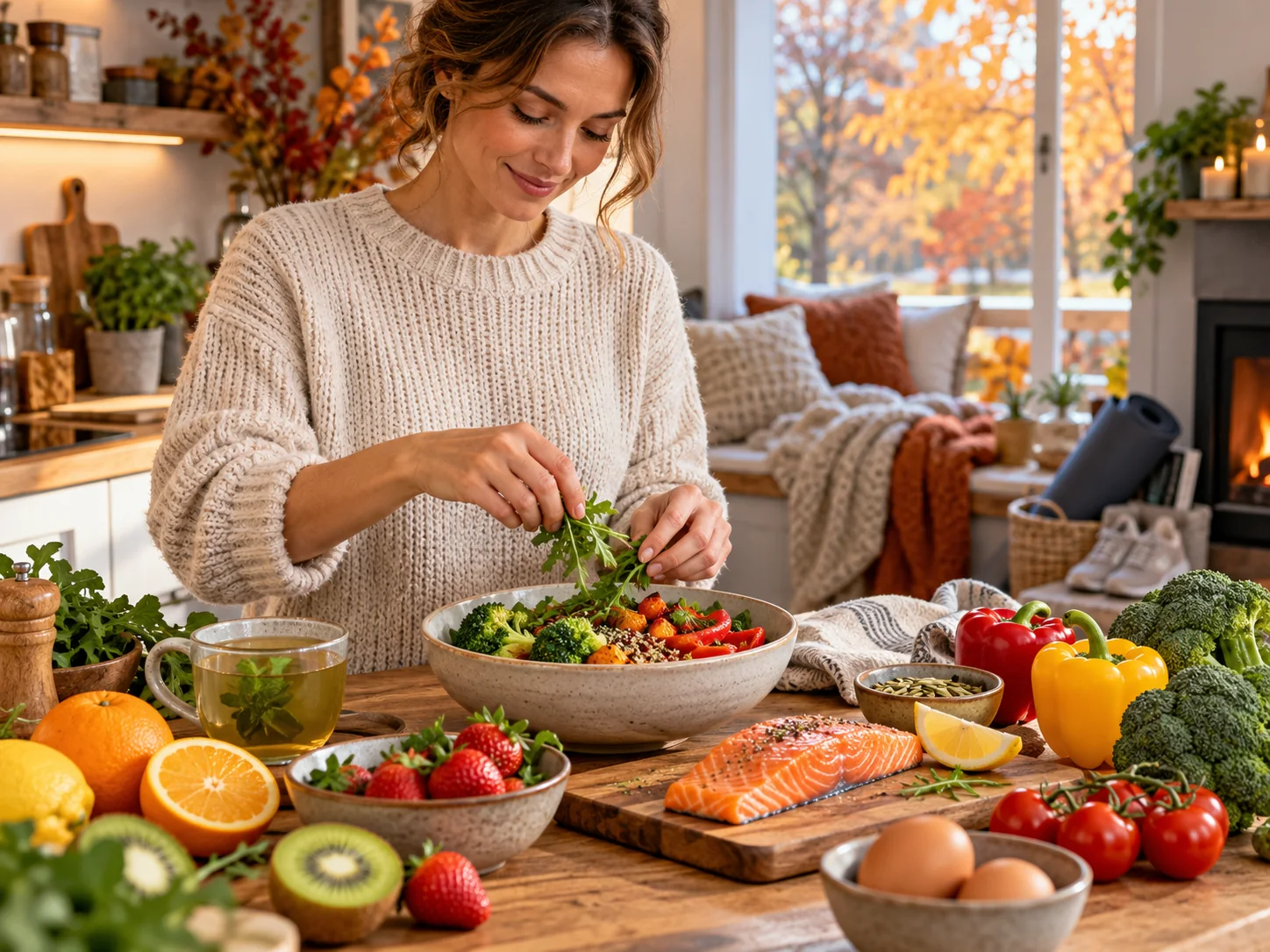
- Choose more whole foods. Include plenty of vegetables, fruit, beans, lentils, nuts, seeds and wholegrains.
- Look at your everyday snacks. Try adding options such as natural yoghurt, fruit or a handful of unsalted nuts.
- Make simple swaps. Where practical, choose higher-fibre options and foods with less added sugar or salt.
- Cook from scratch when you can. It doesn't have to be complicated or time-consuming. Simple meals can be just as nutritious.
- Don't aim for perfection. Enjoy your favourite foods without guilt and focus on your overall eating habits.
Nourish your body, don't restrict it
Ultimately, healthy eating isn't about following rigid rules or cutting out entire food groups. It's about creating a way of eating that supports your health, fits into your lifestyle and is something you can maintain.
If you'd like support reducing your reliance on ultra-processed foods, improving your diet or simply understanding how to make more nutritious choices, I'd be happy to help.
Together, we can look at your current eating habits and find practical, realistic ways to support your health and wellbeing.
Ange | Newutrition
Information provided by NewUtrition is for general educational purposes and is not a substitute for personalised medical advice. Please speak to an appropriate healthcare professional about individual medical concerns.